Due to the unfettered forces of globalization, the world is today facing an unprecedented rate of climatic changes. The climatic and ecological devastations brought about by the unsustainable development practices of rapidly developing and industrialized countries have differential impacts on indigenous peoples. The two Lelewal pilot areas in recent times witnessed increase in the degradation of land and natural resources- Forest by products, wood fuel, water and pastures for cattle. Land access, use and sustainable management of land and natural resources due to population increase, land fragmentation and privatization, logging concessions, land grabbing for wildlife conservation and large scale agricultural practices.
The main objectives here is to prevent the devastation of indigenous peoples territories, to limit the impacts on indigenous communities and the remaining natural resources respecting the rights to ownership and use of these resources by the indigenous peoples communities who are occupants of these territories.
Lelewal has in recent times organized and hosted a great number of training workshops and seminars on community base monitoring and information systems (CBMIS) and assisting alternatives livelihoods systems for indigenous peoples communities affected by these changes.
As adaptation and mitigation measures, Lelewal and her partner communities created a cocoa and fruit tree nursery in eleven Baka resettlement areas in the locality of Djoum, South Region. The dissemination of these plants in their respective communities forests started in 2015 and around ten hectares of forest has been occupied.
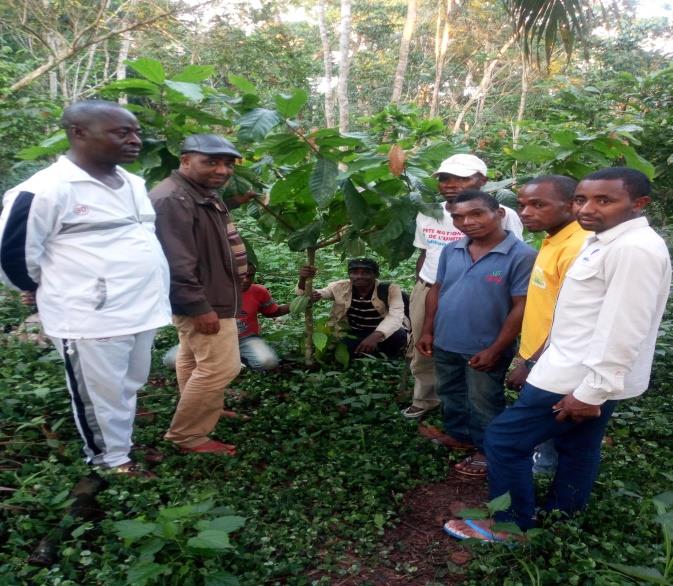
Cocoa apart from being a perennial tree can be planted under the forest cover without necessarily cutting the big trees. The planting of cocoa protects forest canopy to create carbon sequestration sinks and consequently reducing the impacts of climate change and the protection of the community forest from illegal logging activities and managing ecosystems.
Apart from the climatic contribution of these trees, cocoa and fruit trees in the long run will produce an alternative livelihoods and economic systems to these communities and therefore reduces pressure on the remaining forest resources and species of biodiversity thus assuring their sustainability.
Lelewal has actively participated in the elaboration of REDD+ policies and programs to include indigenous people’s issues and also to benefit from its implementation, respecting their rights by effectively applying the concept of Free Prior and Informed Consent (FPIC) during implementation at local, national and global levels.
The organization has been signatory to many joined letters to Global climate finance institutions indicating the need to respect the rights of indigenous peoples in the climate financing. Very recent achievements on this are the adoption of Indigenous Peoples Policy by the Green Climate Fund (GCF).